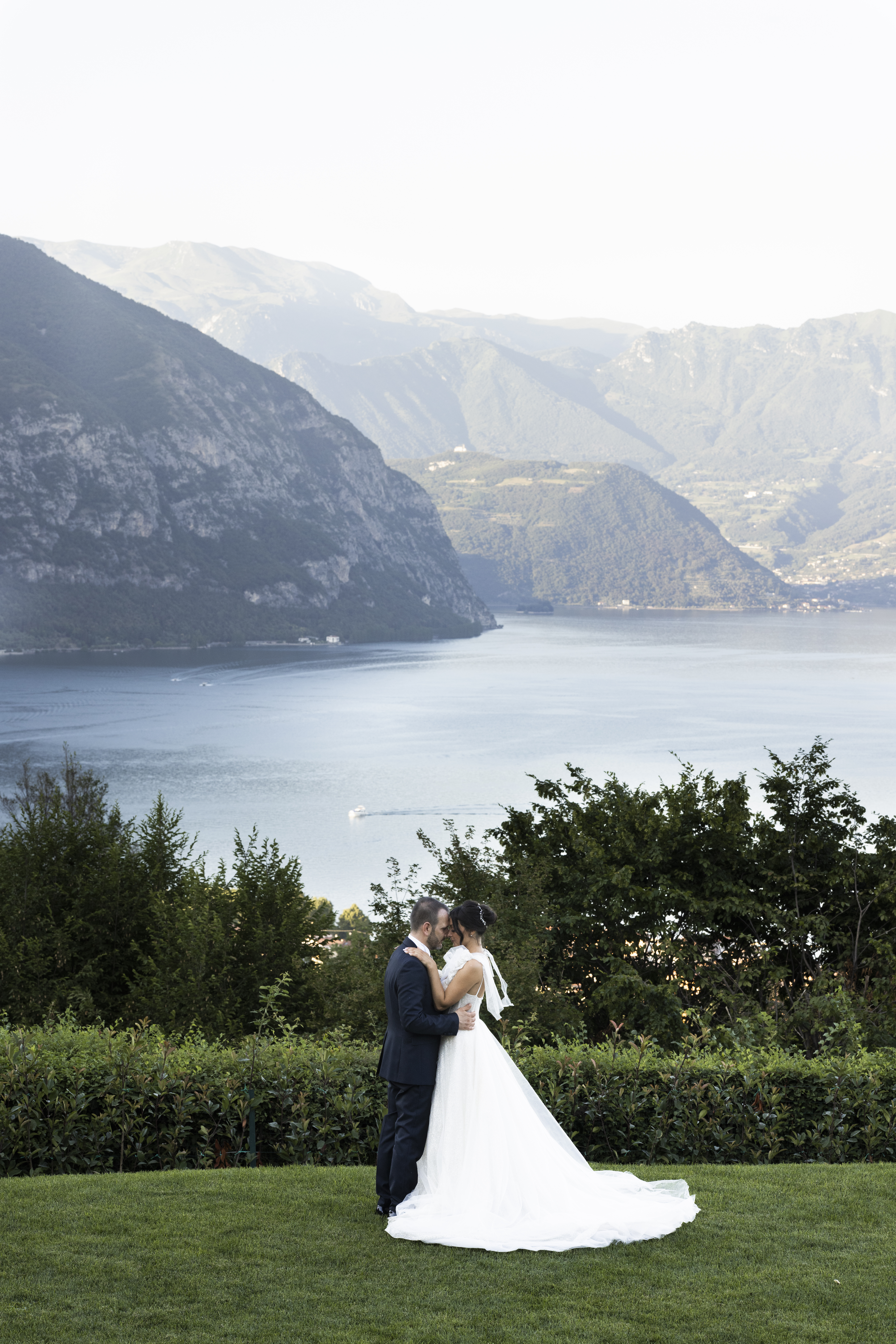
Destination wedding in Italy: the complete planning guide for 2026
Italy has a way of turning even the most practical couple into hopeless romantics. The light, the food, the ancient stones, the way entire villages seem designed for celebration: it’s no wonder that thousands of international couples choose to marry here each year. Yet between the dream and the reality lies a considerable amount of planning, and doing it from thousands of miles away adds layers of complexity that can overwhelm even the most organised minds. This guide exists because destination weddings in Italy don’t have to be stressful. With the right information and realistic expectations, you can create something extraordinary without losing your sanity or your savings in the process. We’ll cover everything from legal requirements to vendor relationships, from budget realities to weather contingencies, drawing on both official guidance and the hard-won wisdom of couples who have walked this path before you.
Why Italy continues to captivate
The appeal of an Italian wedding extends beyond aesthetics, though the aesthetics certainly help. Italy offers something increasingly rare in our homogenised world: genuine regional diversity. A wedding in Sicily feels entirely different from one in the Dolomites, which bears no resemblance to a celebration in Umbria. This variety means couples can find a setting that reflects their personality rather than conforming to a single “Italian wedding” template. The country also delivers exceptional value in ways that surprise many couples. While headline venues in Lake Como or the Amalfi Coast command premium prices, Italy’s depth of options means beautiful alternatives exist at every budget level. A restored farmhouse in Le Marche, a family-run agriturismo in Franciacorta, a medieval borgo in Lazio: these settings offer authentic Italian atmosphere without the celebrity markup. Perhaps most importantly, Italians understand celebration. Weddings here are not merely events to be managed but occasions to be savoured. The cultural emphasis on food, family, and festivity creates an environment where your guests will feel genuinely welcomed rather than processed through a hospitality machine.
Legal ceremony versus symbolic: understanding your options
The single most important decision for international couples concerns the legal status of your Italian ceremony. This choice affects everything from paperwork requirements to ceremony flexibility, and misunderstanding it causes more stress than almost any other aspect of planning. A legally binding wedding in Italy requires navigating Italian bureaucracy, which varies by comune (municipality) and can prove unpredictable. You’ll need to gather documents from your home country, have them apostilled and translated, submit them to the Italian consulate, and then work with local officials who may have limited English and varying interpretations of requirements. The process typically takes three to six months and requires at least one trip to Italy before the wedding itself. Many couples, understandably, find this daunting. The solution that most destination wedding planners recommend is straightforward: get legally married in your home country and hold a symbolic ceremony in Italy. A symbolic ceremony carries no legal weight but offers complete creative freedom. You can write your own vows, choose any officiant you wish (a friend, a family member, a professional celebrant), structure the ceremony however you like, and hold it anywhere your venue permits. No paperwork, no bureaucratic uncertainty, no restrictions on timing or format. The legal marriage in your home country can happen quietly at a registry office weeks before you travel, or after you return. Your Italian celebration becomes the emotional and social centrepiece of your marriage, which is what most couples care about anyway. If a legally binding Italian ceremony matters to you for personal or religious reasons, it remains achievable. Budget additional time, consider hiring a wedding planner with specific experience in legal ceremonies, and build flexibility into your timeline. Civil ceremonies must occur in approved locations (typically town halls or designated outdoor spaces) with specific scheduling constraints.
Building a realistic budget
Budget conversations around destination weddings often descend into unhelpful generalisations. “Italy is expensive” or “you can do it cheaply” tell you nothing useful. What matters is understanding where money goes and what trade-offs exist. For a destination wedding of 60 to 100 guests, total costs typically fall into these ranges: Entry level (€25,000 to €40,000): Possible with careful choices. Requires flexible dates (weekdays, shoulder season), lesser-known regions, limited catering options, and DIY elements. Absolutely achievable for couples willing to compromise on some aspects. Mid-range (€40,000 to €70,000): Where most destination weddings land. Allows for quality venues in popular regions, professional catering, essential vendors (photographer, florist, coordinator), and reasonable guest accommodation. Some constraints remain but fewer compromises required. Premium (€70,000 to €120,000): Access to sought-after venues, top-tier vendors, extensive customisation, and guest experience elements like welcome dinners and farewell brunches. The “magazine wedding” territory. Luxury (€120,000 and above): Villa Balbianello, Tuscan castles, celebrity-tier production. If you’re in this bracket, you likely have professional planners handling everything already. These figures cover the wedding itself: venue, catering, vendors, décor, and coordination. They don’t include guest travel, accommodation, or your own honeymoon. Factor those separately. The most common budget surprise concerns catering. Italian wedding meals are famously generous, often running five or more courses over several hours. Catering costs reflect this abundance. Expect €150 to €300 per person for quality food and beverage service, more at premium venues or with extensive wine selections. Venue costs vary enormously by region and day of week. The same quality of setting might cost €15,000 in Franciacorta or Umbria versus €50,000 in Lake Como or the Amalfi Coast. Saturdays in peak season (June, September) command premiums; Thursdays in May offer significant savings.
Choosing your region
Italy rewards those who look beyond the obvious choices. While Tuscany, Lake Como, and the Amalfi Coast dominate international imagination, they also command the highest prices and require the longest advance booking. Northern lakes offer dramatic scenery with meaningful differences in accessibility and cost. Lake Como remains the prestige choice, with prices and crowds to match. Lake Garda provides more variety and generally lower costs, particularly on the southern shore near Verona. Lake Iseo, the least known internationally, has emerged as a genuine alternative: comparable beauty, a fraction of the tourism, and costs typically 30 to 40 percent below Como. Its position at the heart of Franciacorta, Italy’s premier sparkling wine region, adds an enological dimension that appeals to food-and-wine-focused couples. Tuscany varies more than most people realise. The classic Chianti zone between Florence and Siena commands top prices. Moving south to Val d’Orcia, east to Cortona, or north toward Lucca reveals equally beautiful landscapes with more availability and better value. The coastal Maremma region remains surprisingly undiscovered. Umbria, sometimes called “the new Tuscany,” offers rolling green hills, medieval villages, and significantly lower costs than its famous neighbour. Perugia and Orvieto provide excellent bases with strong vendor networks. Puglia in the south has grown dramatically in popularity, with its distinctive trulli houses, whitewashed towns, and excellent value. The Amalfi Coast and Sicily deliver unmatched drama but present logistical challenges that require careful planning. For couples prioritising ease over atmosphere, consider proximity to international airports. Venues near Milan, Rome, or Venice airports simplify guest logistics considerably. An hour’s drive from an airport is manageable; three hours becomes burdensome.
Finding and working with vendors
Vendor relationships in Italy operate differently than in many English-speaking countries, and understanding these differences prevents considerable frustration. Communication styles tend toward the warm and personal rather than the crisply professional. Emails may go unanswered for days or weeks; WhatsApp often works better. Contracts may be less detailed than you expect. Timelines feel more fluid. None of this indicates unreliability—it reflects cultural norms around business relationships. Build relationships rather than conducting transactions. Italian vendors respond better to couples who show genuine interest in their work and engage personally. A video call builds more trust than a hundred emails. If possible, visit Italy to meet key vendors in person before committing. The wedding planner question deserves serious consideration. A good Italy-based planner serves as your translator (sometimes literally), cultural interpreter, vendor relationship manager, and on-the-ground problem solver. They catch issues you wouldn’t recognise, negotiate from positions of established relationships, and handle the countless details that arise. Their fee, typically €3,000 to €8,000 for coordination or €8,000 to €15,000 for full planning, usually pays for itself in stress reduction and better vendor pricing. When evaluating planners, ask specifically about destination wedding experience and their vendor network in your chosen region. Request references from international couples. Verify they will be present on your wedding day, not just during planning. Be cautious of planners who seem to operate primarily through Instagram or who cannot provide verifiable reviews. For other vendors, your planner’s recommendations carry significant weight. Photographers, videographers, florists, musicians, hair and makeup artists: these should ideally come from tested relationships rather than random searches. If you’re planning without a planner, invest extra time in verification. Ask for full wedding galleries, not just portfolio highlights. Request recent client references. Video call before committing.
Managing guest experience
Your guests are making a significant commitment to attend your destination wedding. Time off work, flights, accommodation, meals: even a weekend wedding in Italy can easily cost each guest €1,000 or more. Honouring that commitment with thoughtful planning makes everyone’s experience better. Start communication early. Save-the-dates should go out 10 to 12 months ahead for destination weddings, giving guests time to budget and plan. Include clear information about location, approximate costs, and what you will or won’t cover. Create a dedicated wedding website with practical information: airport options, transfer recommendations, accommodation suggestions across price points, local activities for extended stays. Update it regularly as details solidify. Consider the full experience, not just the wedding day. A welcome dinner or drinks the night before allows guests to recover from travel and connect before the main event. A morning-after brunch provides closure and relaxed time together. These additions increase your costs but dramatically improve guest experience. Be realistic about what you can expect from guests. Some people cannot afford destination weddings, no matter how much they love you. Others have constraints around travel, time off, or family obligations. Create space for people to decline gracefully, and don’t take absences personally. Guest accommodation arrangements vary. Some couples block rooms at a single hotel; others provide a list of options across price points. The former simplifies logistics; the latter respects varying budgets. Whichever you choose, start early—peak season accommodation in popular areas sells out months ahead.
Planning for weather
Italy enjoys a generally favourable climate, but “generally favourable” means probability, not guarantee. Weather contingency planning deserves serious attention. April and May bring spring warmth but occasional rain. June typically offers excellent conditions, though temperatures begin climbing. July and August are hot—often very hot—with temperatures regularly exceeding 35°C in most regions. September frequently provides ideal conditions, making it the most requested month. October can be glorious but carries increasing rain risk. For outdoor ceremonies and receptions, always have an indoor backup plan. Always. This isn’t pessimism; it’s basic risk management. Ask specifically about your venue’s wet weather arrangements. Where would the ceremony move? Does the indoor space accommodate your full guest count comfortably? Is the backup genuinely comparable in atmosphere, or would it be a disappointing fallback? Timing outdoor events matters more than many couples realise. Midday sun in July or August can be brutal. Schedule ceremonies for late afternoon, receptions for evening. Provide shade, water stations, and fans if needed. Your guests’ comfort directly affects their enjoyment.
Timeline for planning
Destination weddings require longer lead times than local celebrations. A realistic timeline looks something like this: 18 to 24 months before: Begin research, establish budget, identify regions of interest. 12 to 18 months before: Visit Italy if possible, tour venues, book your top choice, engage a wedding planner. 12 months before: Send save-the-dates, book key vendors (photographer, catering if separate from venue), begin accommodation arrangements for guests. 9 months before: Finalise vendor team, confirm design direction, book any additional events (welcome dinner, farewell brunch). 6 months before: Send formal invitations, finalise menu tastings, confirm all contracts, arrange guest transportation if providing. 3 months before: Final guest count, detail timeline with planner and vendors, confirm all logistics. 1 month before: Final payments, delivery confirmations, emergency contact list, day-of timeline distribution. This timeline assumes a symbolic ceremony. For legal ceremonies, add three to six months at the front end for document preparation.
Making it yours
Amid all this practical guidance, don’t lose sight of why you’re doing this. A destination wedding in Italy isn’t about executing a perfect production—it’s about creating a meaningful experience that reflects who you are as a couple and honours the people who matter enough to make the journey. The best Italian weddings embrace rather than fight the country’s character. Long meals with multiple courses, extended conversations over wine, the Italian talent for celebration: these aren’t obstacles to your timeline but features of the experience. Build flexibility into your plans. Let the afternoon stretch. Trust that pasta will lead to connection. Your guests are giving you an extraordinary gift by travelling to share this moment. The greatest thing you can offer in return isn’t a flawless event but a genuine one—a celebration that feels like you, in a place that has somehow become part of your story. Italy has hosted countless weddings over countless centuries. It knows how to hold this moment. Your job is to show up, say yes, and let the magic unfold.
